Coliving in Costa Rica: Inside Protopia Community, a Regenerative Farm Between Two Volcanoes
A waterfall to close your laptop for, a shared table to come back to. Protopia Community explains what coliving in Costa Rica looks like on a regenerative farm in Guatuso.

Contributed by Protopia Community. Introduced by Coliving Community.
A note from Coliving Community: Most guides to coliving in Costa Rica list beach houses in Santa Teresa or apartments in San José. Protopia Community is something different: a coliving and regenerative farm in the northern rainforest, where remote workers live alongside artists, volunteers and apprentices. We asked the Protopia team to tell you in their own words what daily life there looks like, and we added the practical facts and an FAQ at the end.
Protopia Community at a glance
Location: La Cabanga, Guatuso, in northern Costa Rica, between the Arenal and Tenorio volcanoes, about 14 km from Lake Arenal
Land: 14 hectares with primary forest, gardens and waterfalls, bought in 2018
Internet: Starlink with about 100 Mbps down and 50 Mbps up, a backup connection and a coworking space for up to 20 people
Rooms: dorm beds, private rooms and private glass cabins with their own bathroom
Price: listed on Coliving Community from 720 US dollars a month for a dorm bed, 1,020 for a private room and 1,500 for a private cabin, with three meals a day included (prices vary by season)
Ways to stay: guest visit, digital nomad stay, volunteer or apprenticeship
Getting there: about 2 hours from Liberia airport and 3.5 hours from San José airport
Members' deal: 10% off when booking directly with the code CCPCCR
A waterfall is a good reason to close your laptop for a while. A shared table gives you a reason to come back and hear what other people have been doing. At Protopia, we have built community life around making room for both: work that matters to us and a daily life we want to participate in.
Protopia Community is an arts and activist coliving community and regenerative farm in La Cabanga, Guatuso, in northern Costa Rica, between Arenal and Tenorio volcanoes. Remote workers share the place with artists, volunteers, apprentices and people developing projects. The forest, growing spaces and paths to the waterfalls are part of the same setting as the kitchen and places to work.
For someone considering coliving in Costa Rica, the useful question is what living here would add to an ordinary working week. Our answer starts with the relationships between work, nature and shared responsibility.
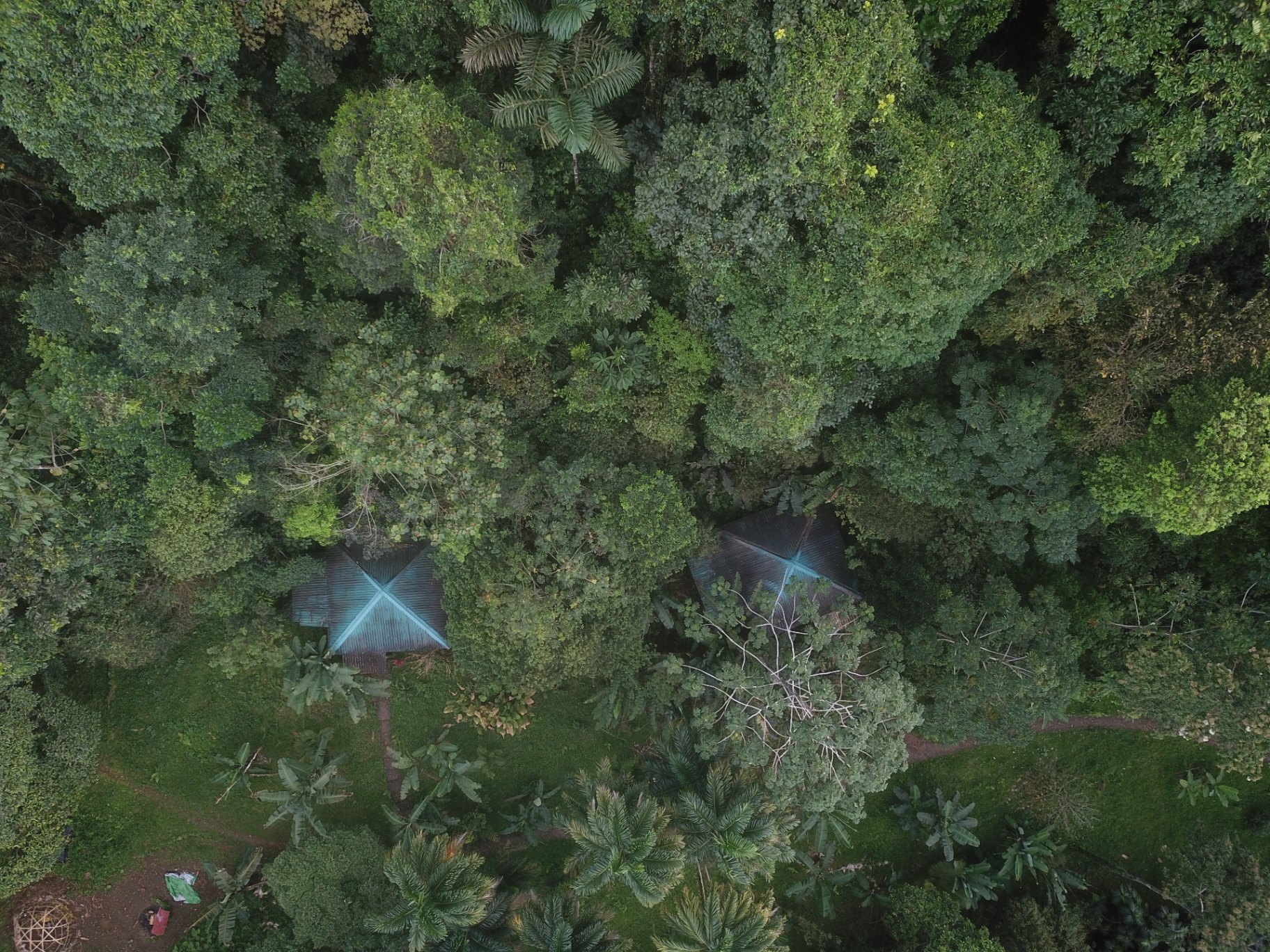
The forest canopy around Protopia Community in Guatuso
How Protopia began
Protopia grew from a search for a place where focused work could fit alongside nature, good food, friendship and creativity. Alban Geci, Protopia's founder, wanted to explore how the conditions around work could support a fuller life, and how people could develop useful projects together.
Building that environment required practical decisions. Shelter, water, electricity and access had to work before the larger ideas could become everyday life. Local builders helped create the structures, using timber recovered from fallen and standing dead trees on the land. People began living in the buildings while work continued around them.
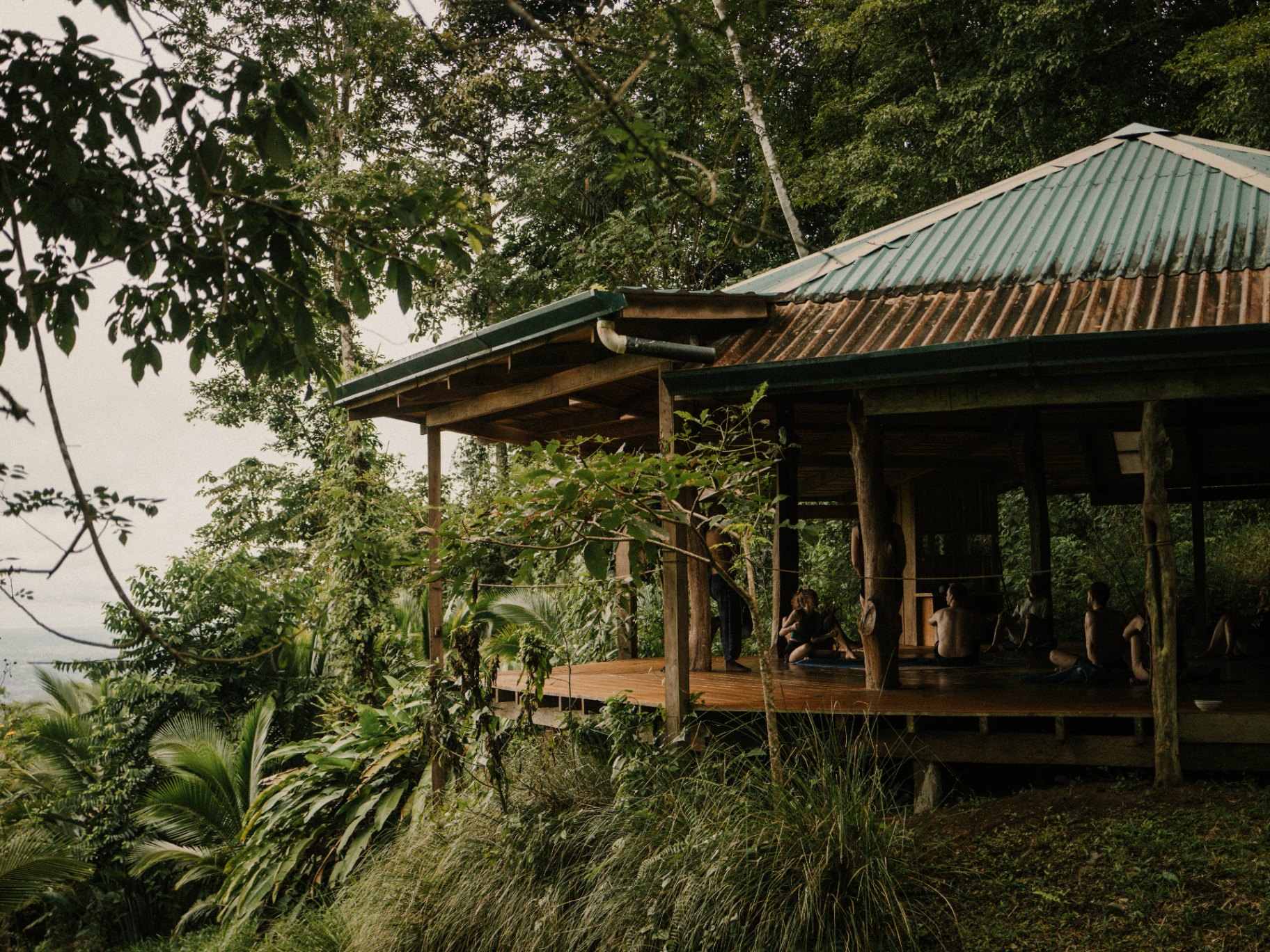
A timber building in the forest at Protopia Community
That history remains visible in the place. A table has a material history; a building reflects the knowledge of the people who made it. Maintaining them is part of participating in what previous residents and workers have built.
The name Protopia expresses continuing improvement. We expect to learn from experience, recognise mistakes and change things that need changing. Calling the place a coliving laboratory keeps that intention explicit: our arrangements are open to examination.
A shared environment for different kinds of work
The Honey House is the centre of daily life, bringing together the communal kitchen, dining table, living areas and places to work. Someone concentrating on a professional project may later share a meal with a person who has spent the morning planting, cooking or repairing a building.
The Play House provides space for movement, dance, training and workshops. The Art House holds books, games and creative materials. Beyond the buildings are gardens, forest paths, the waterfall and places to gather around a fire.
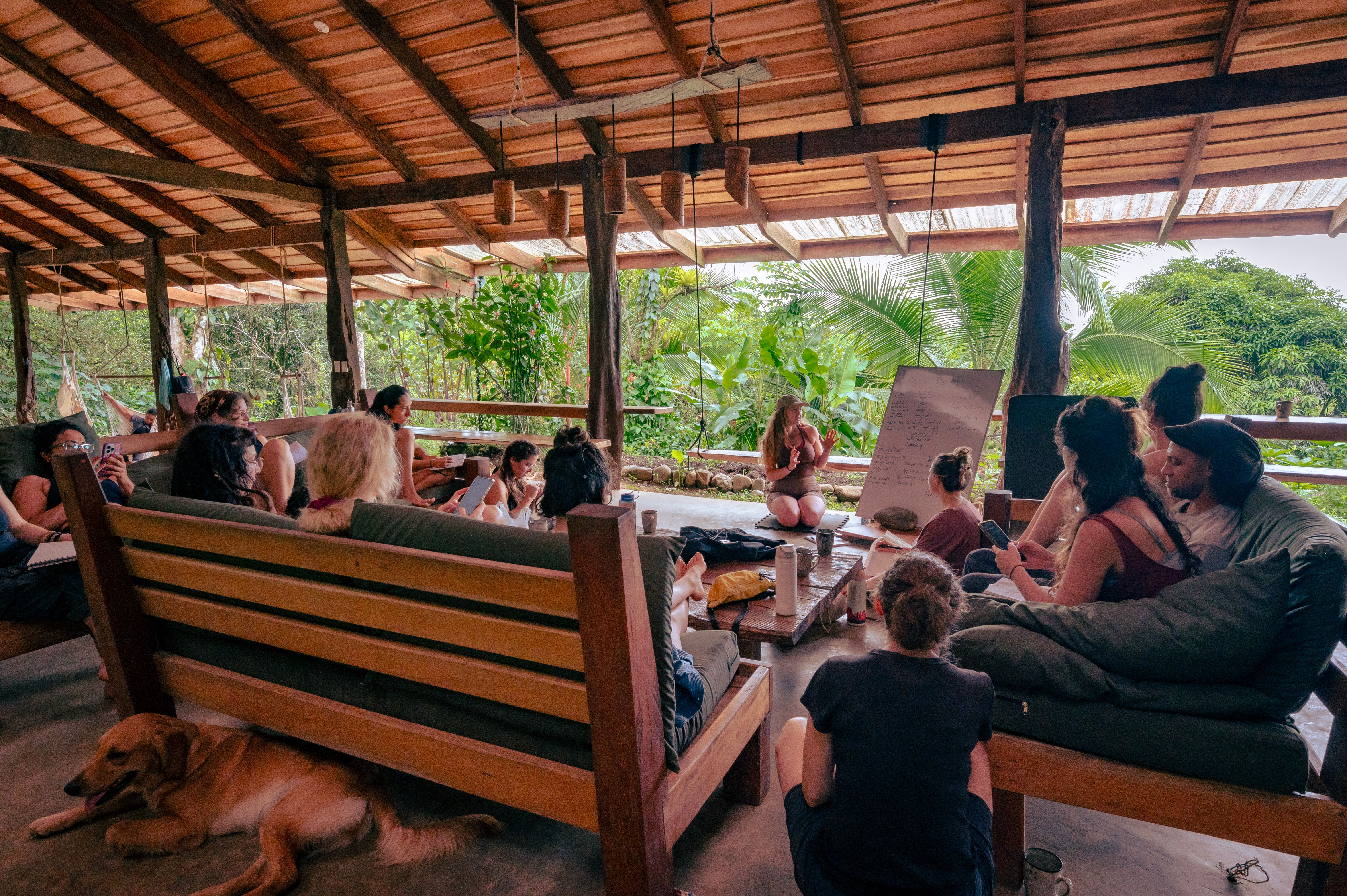
An afternoon in the shared space at Protopia Community
These spaces make different forms of participation possible. You might bring a remote job and use most of your working day for it. You might be developing a creative project or joining a programme with specific responsibilities. Shared meals and activities give those different days points of connection.
For us, arts, activism, entrepreneurship and sustainability belong in the same conversation. Art helps people express and question what they experience. Entrepreneurship asks how an idea can become a viable organisation. Activism brings attention to power and the conditions people live under. Sustainability makes us consider the land and resources supporting the whole arrangement.
The story and values behind Protopia explain how those interests came together. They also help prospective residents decide whether our questions are ones they would enjoy exploring.
What participation means here
Community takes work, and people join Protopia through different agreements. Guests come for accommodation, their own work or rest, and access to shared life. Volunteers agree to a practical contribution. Apprentices combine learning with increasing responsibility in an area of the community.
Guests can choose to contribute to shared chores, while volunteers, apprentices and team members have agreed responsibilities. Everyone cleans up after themselves and cares for shared spaces. A guest booking does not quietly become a volunteer placement because someone talks enthusiastically about participation.
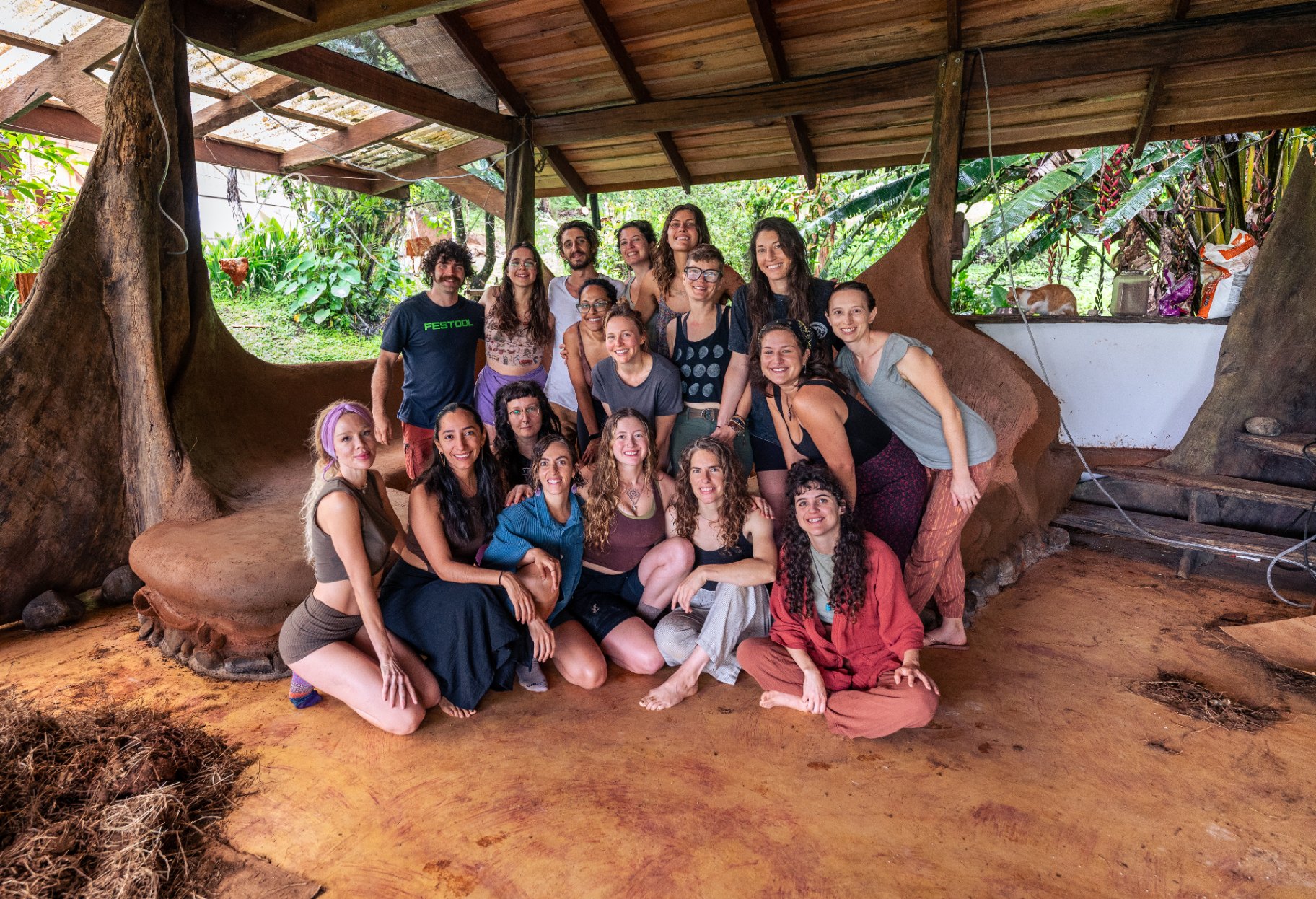
Residents, volunteers and guests at Protopia Community
There are many ways to contribute beyond a formal role. You may have a skill to share, an idea for a workshop or the patience to help someone understand a tool. Discuss projects with the people responsible for the area, particularly when they involve shared materials or changes to the space.
Just as important is knowing when to rest or focus on your own work. Optional activities and personal sharing remain optional. Being part of a community includes respecting another person's boundaries and time alone.
Who decides and who takes responsibility
Our interest in community extends to how organisations work. Who owns, who decides, who benefits? Those questions matter in a business proposal, and they matter when people share a home.
At Protopia, working circles organise areas such as farming, kitchen, infrastructure and hospitality. Responsibilities sit close to the work, with circle leads coordinating decisions in their areas. Legal, financial and safety responsibilities still sit with the relevant stewards and management.
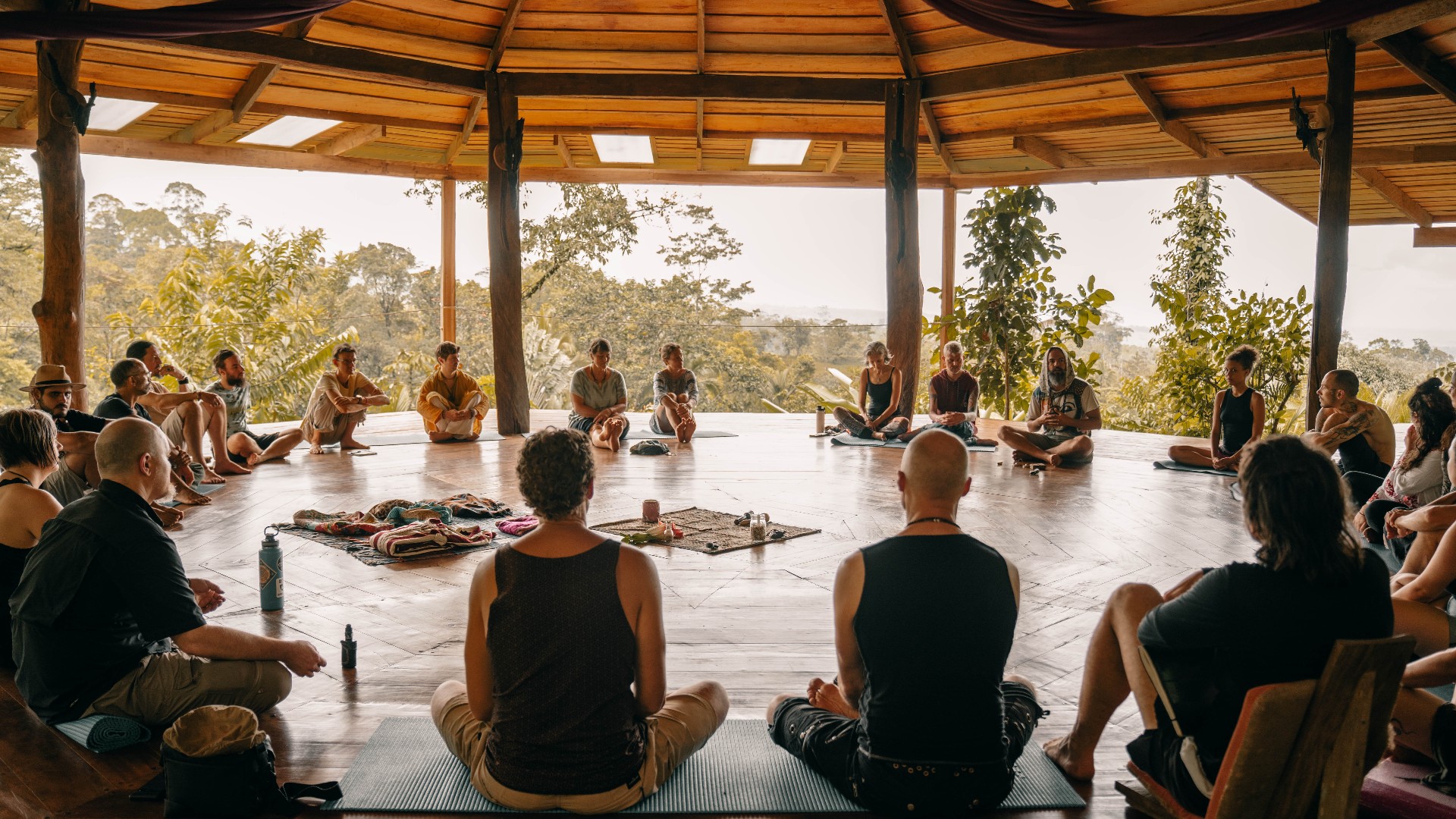
A circle in the movement space at Protopia Community
Being clear about authority makes participation more meaningful. People need to know which decisions they can shape, who can approve a change and who will follow through. Shared meals and friendly intentions cannot answer those questions by themselves.
The Community Agreements also set expectations around consent, respectful communication and care for the land. They provide ways to raise concerns privately. A community needs room for disagreement as well as connection.
Deciding whether Protopia fits your life
Protopia may suit you if you want to continue your own work while living near people with varied skills and interests. It also offers a setting for learning through practical contribution, particularly if you are curious about farming, food, natural building or community organisation.
The setting makes a difference. This is rural, humid Costa Rica. Accommodation includes shared rooms, private rooms and private cabins, with different arrangements for privacy.
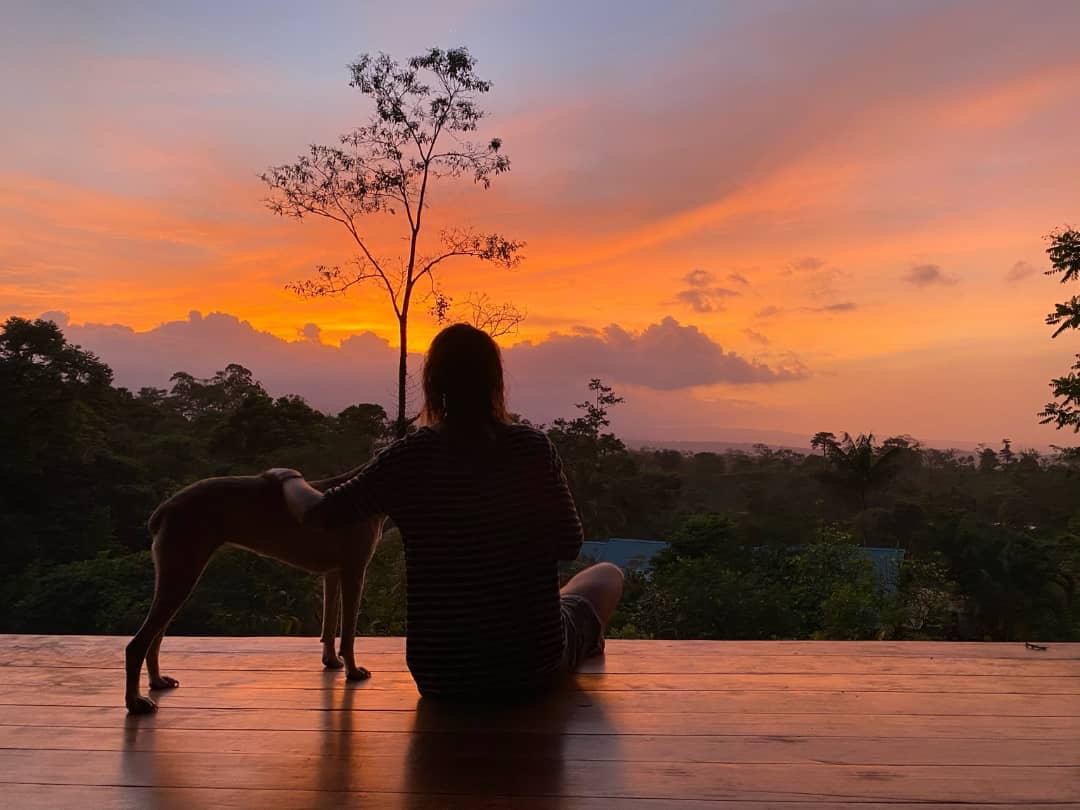
Sunset from the deck at Protopia Community
Think about the kind of day you want to repeat. Do you enjoy meals with other people? Would a farm project or a conversation about cooperative ownership interest you? Can you communicate what you need while remaining considerate of the people around you?
Coliving Community's Protopia profile offers an introduction to the place. To explore a stay, visit Protopia's stay information and tell us about your work, interests and practical needs. That conversation helps us establish whether life here fits what you are looking for.
FAQ: coliving in Costa Rica at Protopia
How much does coliving in Costa Rica cost at Protopia?
On Coliving Community, Protopia lists stays from 720 US dollars a month for a dorm bed, 1,020 US dollars for a private room and 1,500 US dollars for a private cabin, with three meals a day included. Prices change with the season and the type of stay, so confirm the current rate with Protopia before you book.
Is the internet good enough for remote work?
Yes for most remote jobs. Protopia runs Starlink at about 100 Mbps down and 50 Mbps up, with a backup connection and power backup, and the coworking space has room for up to 20 people and a phone booth. There is no wired ethernet.
What is the minimum stay?
According to Protopia's website, a guest visit starts at one week, a digital nomad stay runs from one to twelve months, volunteering starts at one month and the apprenticeship lasts six months.
Can I volunteer at a coliving in Costa Rica?
At Protopia you can. Volunteers agree to a practical contribution in areas like the farm, kitchen or buildings in exchange for accommodation and meals, under a separate agreement from a guest stay. Check the current terms on Protopia's stay page.
How do I get to Protopia?
Protopia is about 2 hours by road from Liberia airport and about 3.5 hours from San José airport. A village is a 20 minute walk away, a town with banks and services is 7 km away, and taxis and a public bus run to the airport, so a car helps but is not required.
Does Costa Rica have a digital nomad visa?
Yes. Costa Rica's digital nomad visa is valid for 12 months and can be renewed once for another 12 months. A single applicant needs to show at least 3,000 US dollars a month in foreign income and health insurance for the whole stay. Rules change, so check the official requirements before you apply.
When is the rainy season in Costa Rica?
Costa Rica's dry season runs roughly from December to April and the green season from May to November. In the northern region around Arenal, rain often comes as afternoon showers, so mornings tend to stay usable for work and walks.
Who is Protopia not a good fit for?
It is not the place for nightlife, air conditioning or a pool. Walls outside the private cabins are thin, so light sleepers should book a cabin, and electricity is limited, so high power devices like hair straighteners are not allowed.
What is a regenerative coliving?
A regenerative coliving combines shared living and remote work with caring for the land it sits on, for example through farming, reforestation or natural building. Read more about the different kinds of places in What Is Coliving? The Three Types of Coliving.
Keep exploring
If nature based community living speaks to you, read our Satvana Conscious Coliving review from Portugal, our take on rural coliving for digital nomads over 50, and how to find the right coliving after fifteen stays. Planning around the weather? Our seasonal coliving guide helps you pick the right place for each time of year.
Find more places to live and work on Find a Coliving, and get exclusive coliving deals in your inbox by joining the Coliving Community.