Digital Nomad Italy: Your 2026 Guide to Living and Working Remotely
Italy finally has a digital nomad visa, and life here is slower, tastier and more affordable than you might think. Here is everything you need to plan your stay, plus four colivings our community loves.

Being a digital nomad in Italy is easier in 2026 than it has ever been. Italy now has a dedicated digital nomad visa for non EU remote workers, coliving spaces exist from the Alps to the tip of Calabria, and a comfortable month can cost far less than most people expect once you leave Milan and Venice behind.
The short answer: yes, Italy is a great base for remote work if you want slow living, real food culture and a community feel. Plan around three things: your legal stay (Schengen rules or the digital nomad visa), your budget (northern cities cost much more than the south), and a base with internet you have actually checked. A coliving solves the last part for you.
This guide brings together what our community has learned, plus four Italian colivings we know personally. Let's plan it together 🤍
Is Italy good for digital nomads?
Italy is good for digital nomads who value lifestyle over speed. It is not the cheapest or most efficient nomad destination in Europe, but it offers something rarer: everyday life that feels genuinely Italian, with long lunches, village festivals and neighbours who remember your name.
The trade offs are real. Bureaucracy is slow, internet quality depends heavily on where you stay, and many small towns are quiet outside summer. The upside is that these are exactly the problems a good coliving takes care of, so you can focus on work and the good part.
Italy digital nomad visa: what you need in 2026
Italy's digital nomad visa lets non EU citizens who work remotely for clients or employers outside Italy live in the country for up to one year, renewable each year. It launched in April 2024 and covers both freelancers (digital nomads) and employees of foreign companies (remote workers).
Here is what the official embassy checklists ask for:
Income: At least three times the Italian healthcare exemption threshold, which works out to roughly 25,000 euros a year. Some consulates quote up to 28,000 euros, so check yours
Qualifications: A university degree, or five years of comparable work experience (three years in the last seven for IT roles), plus at least six months in the remote work you will do
Health insurance: Cover for medical care and hospitalisation in Italy for the whole stay; some consulates require a minimum of 30,000 euros
Accommodation: Proof of where you will live, often a registered lease, so short holiday bookings are usually not enough
Family: Your spouse and minor children can join you through family reunification
Fee: 116 euros for the national (type D) visa
After arrival: Apply for your residence permit (permesso di soggiorno) within eight working days
Requirements differ slightly between consulates, so always use the checklist from the Italian embassy that handles your country. The Italian embassy in Canberra publishes a clear example.
Staying shorter? The Schengen 90/180 rule
You do not need the digital nomad visa for every trip. Many non EU visitors can stay in the Schengen area for up to 90 days in any rolling 180 day period, according to the European Commission. EU and EEA citizens can live and work in Italy without any visa at all.
A quick word on taxes: spending more than 183 days a year in Italy can make you tax resident there. Italy's flat rate regime for freelancers (regime forfettario) can be as low as 5% for the first five years of a new activity, but it is a general tax option, not a visa perk. Talk to an Italian tax adviser before you commit.
Best places in Italy for digital nomads
The best place in Italy for you depends on whether you want a city, a lake, the sea or a village. Here is how the regions compare.
Milan and the north have the fastest internet, the strongest business scene and the best train links, but also the highest rents. Lakes like Lago Maggiore give you northern infrastructure with mountains instead of traffic.
Rome and central Italy mix history with practicality. You can live in the countryside, like the hills of Lazio, and still reach Rome by train in about an hour.
The south, Puglia, Calabria and Sicily offer warmth, lower prices and a more local experience. Fibre has spread fast in southern cities, so places like Reggio Calabria now work well for remote work.
Small towns in Italy for remote workers
Small towns are where Italy really shines for slow travellers. You trade nightlife for olive groves, community dinners and the feeling of belonging somewhere. The catch is that you need a base with reliable internet and people to share the days with, which is exactly why rural colivings are growing so fast. If this sounds like you, our guide to seasonal coliving is a lovely next read.
Coliving in Italy: four places our community loves
Coliving in Italy usually means a small, close community in a beautiful house rather than a big city building. Here are four of our partners, each with a very different personality. You can browse them all on our coliving in Italy page.
Nesting Away, Orte (Lazio)
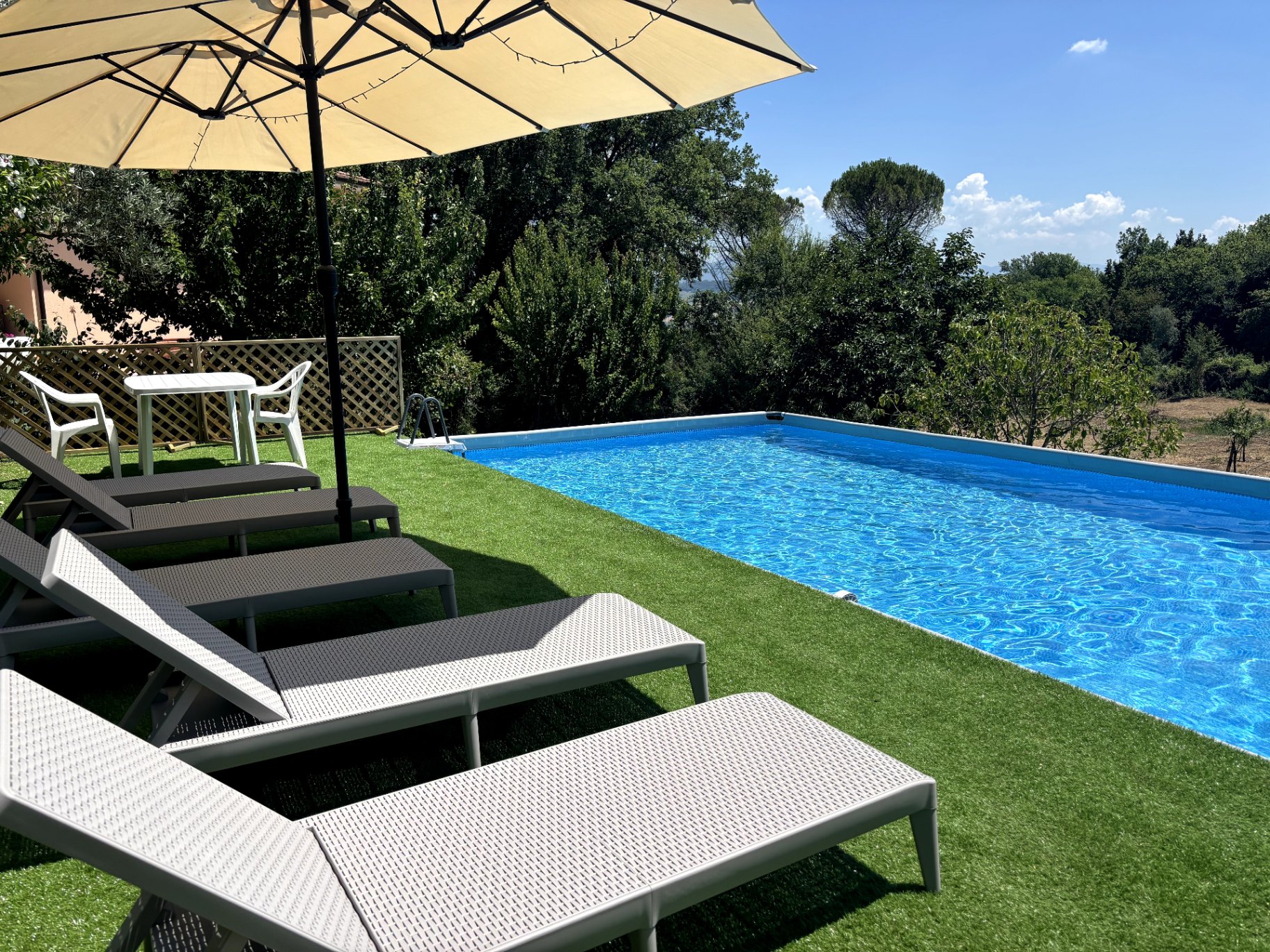
The pool and garden at Nesting Away, one hour north of Rome
Nesting Away is a countryside villa two kilometres from the medieval village of Orte, about one hour north of Rome by train. Hosts Ola and Fede welcome six to ten guests at a time in a 450 square metre villa with a huge garden and pool.
Work is taken seriously here: fibre internet with 1,000+ Mbps plus a double Starlink backup, and a dedicated coworking room. Life is taken seriously too, with shared dinners at least three times a week, bikes and yoga. A private room costs 990 euros a month (590 euros for two weeks), a shared twin room 690 euros, and the minimum stay is two weeks. The villa is open from March to November. Learn more on their official site: nestingaway.com.
Montino Coliving, Lago Maggiore
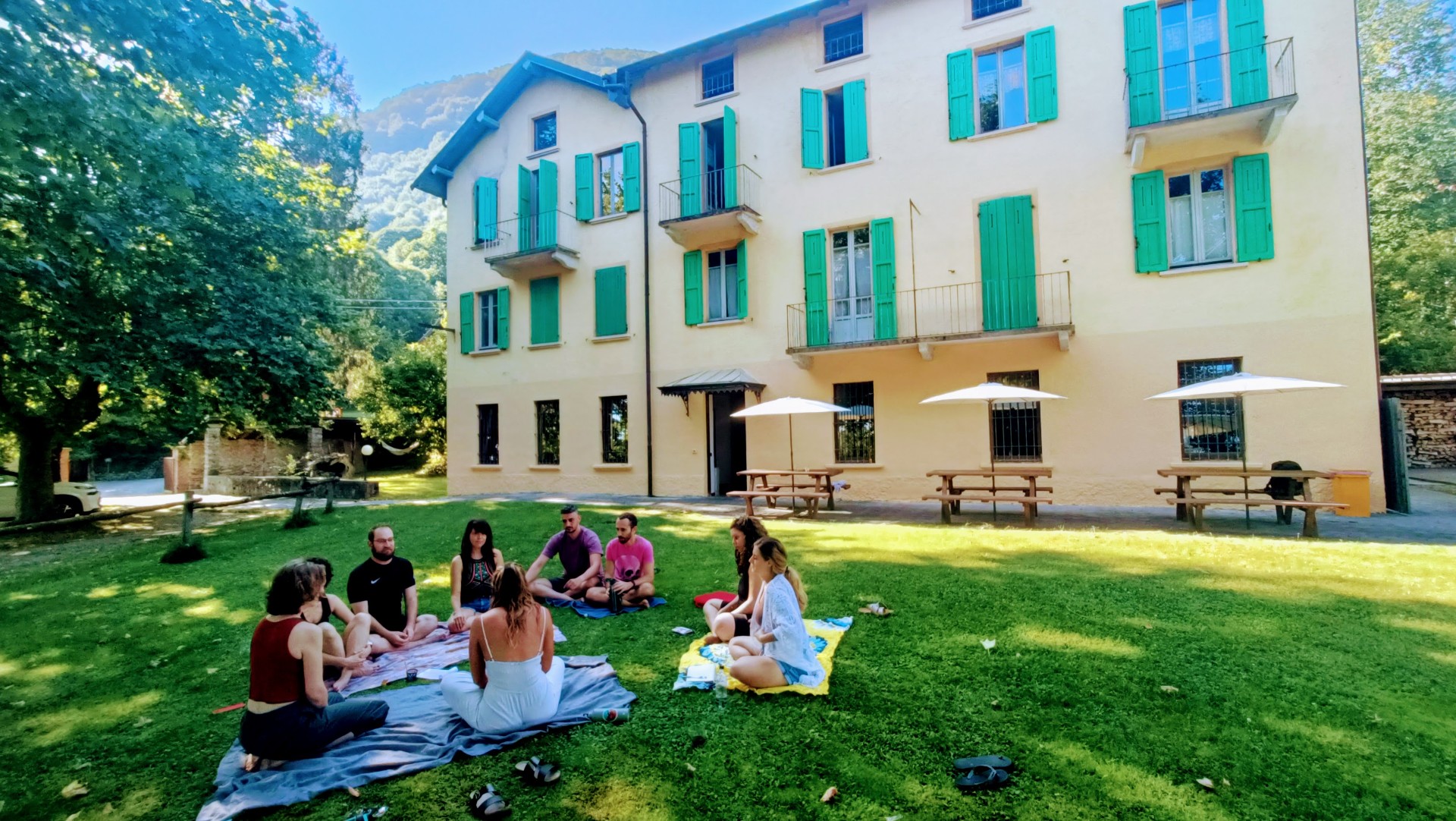
Garden afternoons at Montino Coliving on Lago Maggiore
Montino Coliving sits in the small village of Manegra above Oggebbio, on the green western shore of Lago Maggiore. It was opened in August 2024 by four friends, and at least one of them always lives in the house, which gives Montino its warm, family feeling.
Days here revolve around a daily community meal where residents cook for each other, weekly skill sharing sessions, yoga, meditation and forest walks. Internet runs on Starlink across the whole property with a backup connection, and you can work from the garden. Stays start at one week, from 30 euros a day or 800 euros a month, with dorms, private rooms and en suite rooms. Hear the founders tell the story on Coliving Community Talk, then visit montino.life.
Live Local in Southern Italy, Reggio Calabria
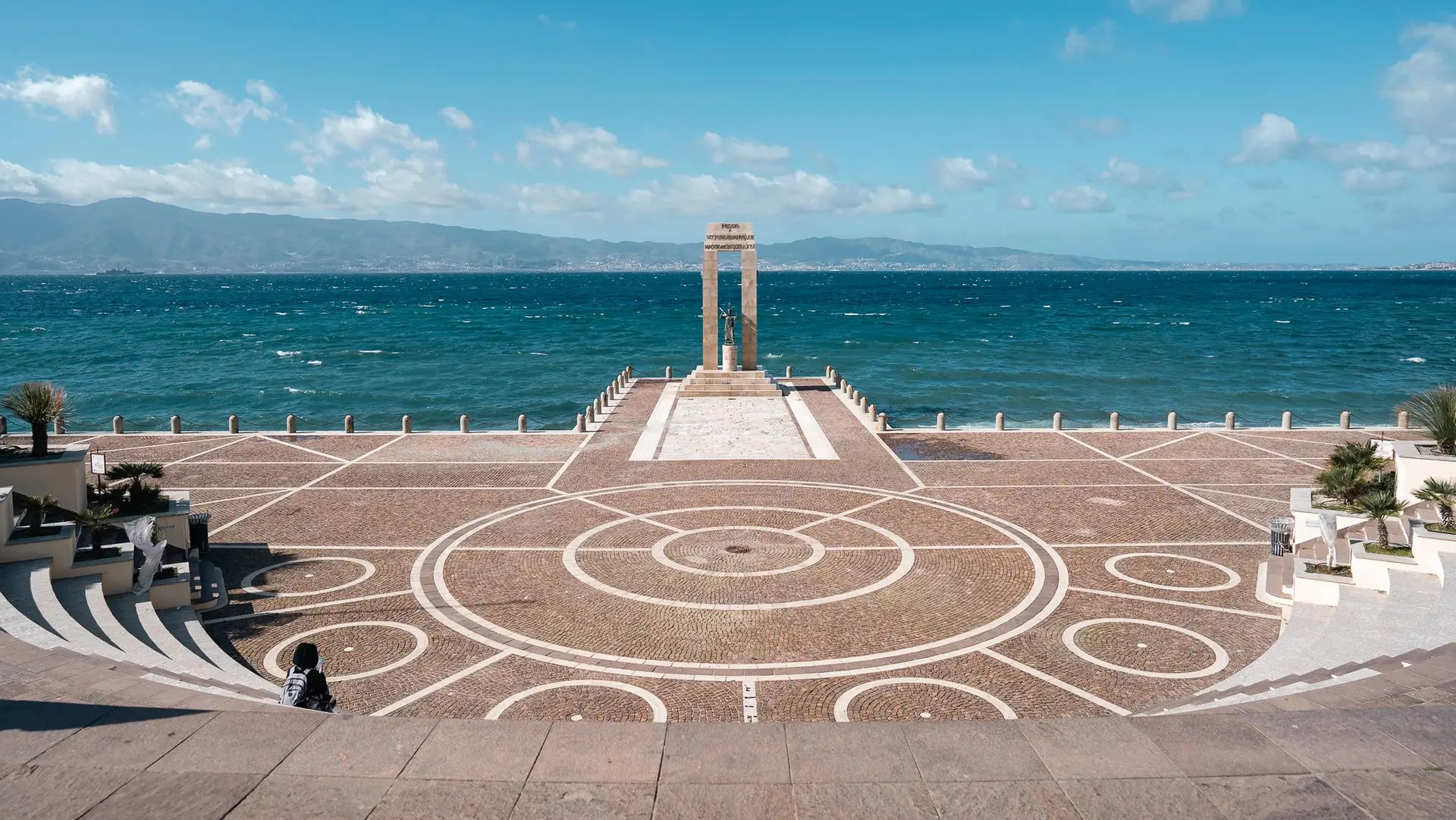
The seafront in Reggio Calabria, home of Live Local in Southern Italy
Live Local in Southern Italy is a seasonal city coliving built by people from Reggio Calabria for people who want to experience the city like a local. Three local community managers connect you with aperitivo nights, beach days, village trips and hikes in Aspromonte National Park.
Apartments are in the city centre, within walking distance of a dedicated coworking space with 1,000+ Mbps fibre. Private rooms start at 640 euros a month and city centre apartments at 840 euros, with a two week minimum and up to ten residents at a time. It is a wonderful example of how affordable the south can be. We wrote about it in detail in our Live Local review, and you can follow them on Instagram at @livelocalrc.
La Vita Sukha, Roseto Valfortore (Puglia)
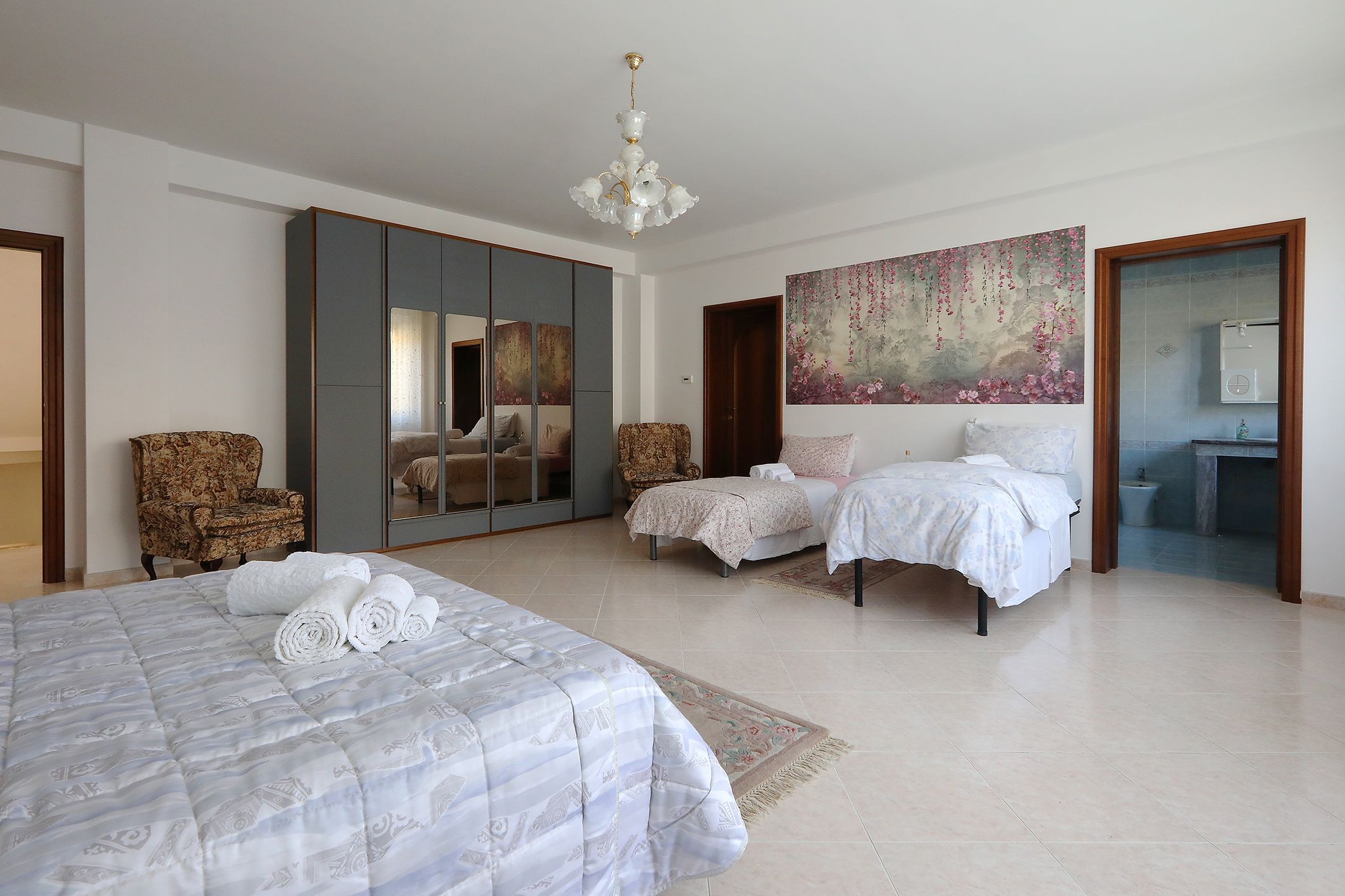
The shaded dining terrace at La Vita Sukha in Roseto Valfortore
La Vita Sukha is a family villa in the hill village of Roseto Valfortore in northern Puglia. Host Liz, who calls herself half local and half nomad, turned the home her Italian parents built over twenty years into a place where your nervous system can finally slow down.
There is a coworking room with six workstations, a desk in every private room, 120 Mbps WiFi with wired ethernet and a 4G/5G backup. Village life is the real highlight: pasta workshops, truffle hunts, olive oil tours and beekeeping. Coliving runs in two seasons each year, 7 May to 7 June and 7 September to 7 October, from 36 euros a day or 700 euros a month with a two week minimum. Listen to Liz on Coliving Community Talk and see the dates at lavitasukha.com.
Each of these listings has a Coliving Community discount code for direct bookings, so check the listing before you book 🤍
Cost of living in Italy for digital nomads
The cost of living in Italy for digital nomads ranges from about 700 euros a month for a coliving room in the south to well over 2,000 euros for an apartment in Milan. Where you live matters more than anything else.
Here is what our Italian partners charge per month, all with workspace and community included:
Live Local in Southern Italy (Calabria): from 640 euros a month, minimum stay 2 weeks
La Vita Sukha (Puglia): 700 euros a month, minimum stay 2 weeks
Montino Coliving (Piedmont, Lago Maggiore): 800 euros a month, minimum stay 1 week
Nesting Away (Lazio): 990 euros a month for a private room, minimum stay 2 weeks
On top of your room, budget for food, transport and fun. Groceries in Italy are good value, eating out at a trattoria is still affordable outside tourist centres, and regional trains are cheap. Live Local estimates a realistic all in month in Reggio Calabria at 900 to 1,400 euros including food and activities.
Wondering whether coliving beats renting your own place? We did the maths in our coliving vs renting cost comparison. And before you book anything, have a look at our current coliving deals.
Working remotely from Italy: internet, coworking and daily rhythm
Working remotely from Italy works best when you check the internet before you arrive, not after. Speeds vary a lot between a city flat and a farmhouse, and rural areas often rely on Starlink or mobile backup.
That is why we list the internet setup on every coliving page. All four places above have either fibre or Starlink plus a backup connection. Coworking in Italy is growing in big cities, but in villages your coliving is usually your office.
Expect a different rhythm too. Many shops close in the early afternoon, lunch is a real meal, and dinner starts late. Lean into it: start early, take the long lunch, and finish your day with an aperitivo. And if you want to meet other nomads while you are there, check our events.
Best time to work remotely from Italy
The best time to work remotely from Italy is spring (April to June) and early autumn (September to October). The weather is warm but not exhausting, prices drop after the summer peak, and villages are lively without the crowds.
Summer brings heat and higher prices, especially by the sea. Winter is quiet and mild in the south, but some rural colivings close for the season. Nesting Away, for example, opens from March to November.
FAQ: digital nomad life in Italy
Is Italy good for digital nomads?
Yes, especially if you value food, culture and community over speed. Italy is slower and more bureaucratic than some nomad hubs, but a coliving base takes care of internet, housing and community so you can enjoy it.
Does Italy have a digital nomad visa?
Yes. Since April 2024, non EU remote workers and freelancers working for clients outside Italy can apply for a one year visa that can be renewed each year.
How much income do you need for the Italy digital nomad visa?
At least three times the Italian healthcare exemption threshold, which is roughly 25,000 euros a year. Some consulates quote up to 28,000 euros, so check the checklist of the embassy handling your application.
How long can digital nomads stay in Italy?
Without a visa, many non EU nationals can stay 90 days within any 180 day period. With the digital nomad visa you can stay up to one year and renew it.
Can I bring my family on the Italy digital nomad visa?
Yes. Your spouse and minor children can join you through family reunification.
How much does it cost to live in Italy as a digital nomad?
A coliving room in southern or rural Italy starts at around 640 to 800 euros a month, with food and activities on top. Milan and Venice cost much more.
What is the best city in Italy for digital nomads?
Milan is best for business and connections, Rome for culture, and Reggio Calabria or Palermo for affordable seaside living. Many nomads prefer small towns with a coliving.
Is southern Italy good for remote work?
Yes, more and more. Fibre has spread quickly in southern cities, and colivings like Live Local in Reggio Calabria offer 1,000+ Mbps coworking.
Is the internet in Italy good enough for remote work?
In cities and well equipped colivings, yes. In rural areas, look for fibre or Starlink with a backup connection, which is listed on every Coliving Community page.
How much does coliving in Italy cost?
Our Italian partners range from 640 to 990 euros a month for a private room, including workspace and community.
Is coliving in Italy worth it?
For most solo remote workers, yes. You get a furnished room, tested internet and instant community without a long lease. Read our honest take: Is coliving worth it?
Find your Italian match
Italy rewards people who slow down. Whether you dream of a lake, a hill village or the Calabrian sea, there is a coliving waiting for you, with people who will make it feel like home.
👉 Find your coliving in Italy and compare every verified space.
🤍 Get exclusive coliving deals in your inbox by joining our WhatsApp community, which also signs you up for our newsletter.
🎧 Want to meet the hosts first? Listen to Coliving Community Talk on Spotify.
See you in Italy, your Coliving Community team 🤍